
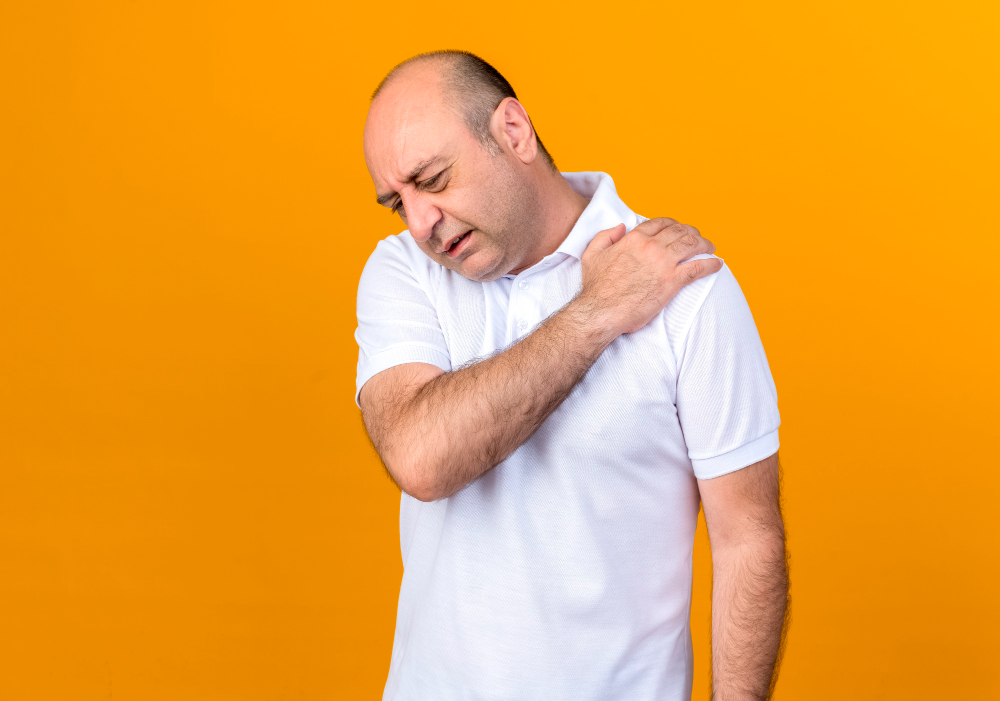
What Are SLAP Tears?
SLAP tears are injuries to the shoulder. The term “SLAP” stands for “Superior Labrum Anterior and Posterior.” This means the top part of the shoulder’s labrum is torn. The labrum is a ring of cartilage that helps keep your shoulder joint stable. When this area is damaged, it can cause pain and limit movement. SLAP tears are a type of shoulder labrum injury. They can affect people of all ages, but athletes and active adults are at higher risk.
Common Causes and Risk Factors
There are several reasons why SLAP tears happen. Often, these tears occur from:
Additionally, some risk factors make SLAP tears more likely. For example, athletes who play baseball, tennis, or volleyball often use their arms above their heads. This puts extra stress on the shoulder. Age is another factor. As you get older, the labrum can wear down, making tears more likely.
Signs and Symptoms
SLAP tear symptoms can vary. However, common signs include:
Sometimes, symptoms are mild at first. But over time, they can get worse, especially with activity.
Diagnosis Methods
Doctors use several methods to diagnose SLAP tears. First, they will ask about your symptoms and how the injury happened. Next, they will examine your shoulder. They may move your arm in different ways to check for pain or weakness. In many cases, imaging tests help confirm the diagnosis. These may include:
According to orthopedic journals, MRI with contrast dye is often the best way to see a SLAP tear.
Treatment Options
SLAP tear treatment depends on the severity of the injury. For many people, non-surgical options work well. These include:
However, if symptoms do not improve, surgery may be needed. During surgery, doctors repair or remove the torn part of the labrum. Most surgeries are done with small incisions and a camera (arthroscopy). After surgery, physical therapy is important for recovery.
Recovery and Rehabilitation
Recovery from SLAP tears can take several weeks or months. Right after treatment, you may need to wear a sling to protect your shoulder. Physical therapy starts soon after. It helps restore strength and flexibility. Over time, you will do more exercises to regain full use of your arm. Most people return to normal activities, but it is important to follow your doctor’s advice. If you want to know how to recover from SLAP tears, remember that patience and regular therapy are key.
Prevention Tips and Lifestyle Guidance
There are ways to lower your risk of SLAP tears. Try these tips:
Additionally, staying active and maintaining good posture can help protect your shoulders. If you have had a shoulder labrum injury before, talk to your doctor about safe exercises.
Conclusion
SLAP tears can cause pain and limit your movement. But with the right treatment, most people recover well. Early diagnosis and proper care are important. Consult an orthopedic specialist for personalized advice on SLAP tears.