
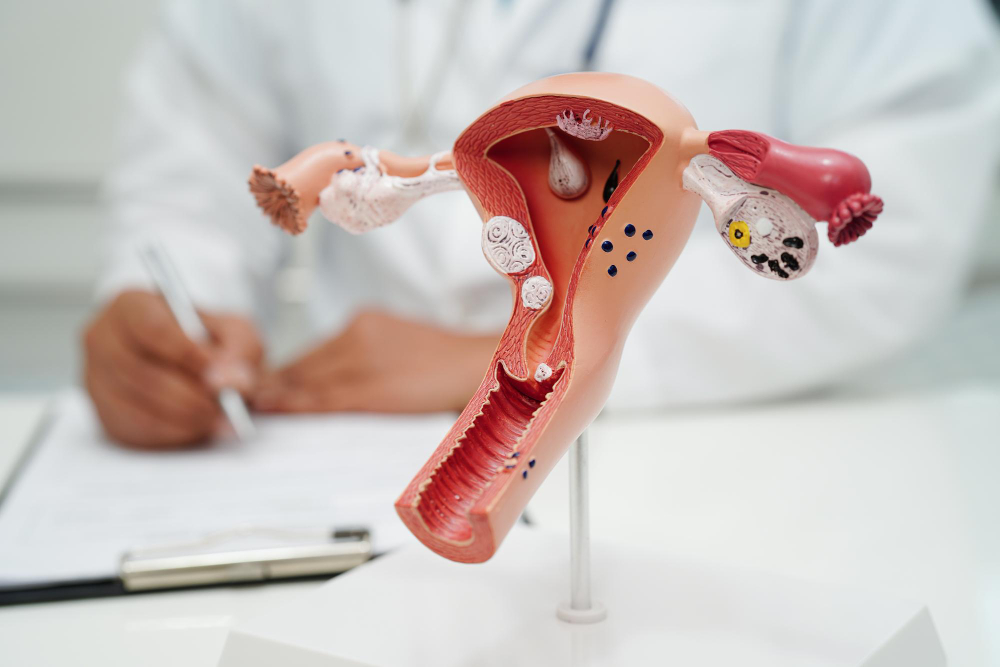
What Are Uterine Fibroids?
Uterine fibroids are non-cancerous growths that form in or on the uterus. Many women develop uterine fibroids during their reproductive years. Although fibroids are common, not everyone has symptoms. According to the CDC, most fibroids are harmless. However, some can cause discomfort or other health problems. Because of this, it is important to know the basics about uterine fibroids.
Common Symptoms of Uterine Fibroids
Some women with uterine fibroids do not notice any symptoms. However, others may experience:Heavy or long periodsPain or pressure in the lower bellyFrequent urinationTrouble emptying the bladderConstipationBack or leg pain
Sometimes, symptoms depend on the size and location of the fibroids. For example, large fibroids may press on nearby organs. If you notice any of these signs, it is wise to talk to your doctor.
Causes and Risk Factors
Doctors do not know the exact causes of uterine fibroids. However, several factors may increase your risk:Family history of fibroidsBeing between ages 30 and 50Obesity or being overweightEarly start of periodsHigh blood pressure
Hormones, such as estrogen and progesterone, may also play a role. According to the WHO, these hormones help fibroids grow. Because of this, fibroids often shrink after menopause.
Diagnosis of Uterine Fibroids
Doctors use several methods to answer the question, “How are uterine fibroids diagnosed?” First, your doctor may ask about your symptoms and medical history. Next, a pelvic exam helps check for changes in the uterus. In addition, imaging tests can confirm the diagnosis. These may include:Ultrasound: Uses sound waves to create pictures of the uterusMRI: Shows detailed images of fibroids and their sizeHysteroscopy: Looks inside the uterus with a thin, lighted tube
Because early diagnosis helps, see your doctor if you have symptoms.
Treatment Options
Treatment for uterine fibroids depends on your symptoms, age, and plans for pregnancy. Some women do not need treatment if fibroids are small or cause no problems. However, if you need care, options may include:Medications to control pain or heavy bleedingHormone therapy to shrink fibroidsMinimally invasive procedures, such as uterine artery embolizationSurgery to remove fibroids (myomectomy) or the uterus (hysterectomy)
Your doctor will help you choose the best treatment for your needs. According to the CDC, most women recover well after treatment.
Lifestyle Tips and Prevention
While you cannot always prevent uterine fibroids, some healthy habits may help. For example:Maintain a healthy weightEat a balanced diet with fruits and vegetablesExercise regularlyManage stressSee your doctor for regular check-ups
Because early action can help, pay attention to any changes in your body.
When to See a Doctor
It is important to know when to seek medical advice. See your doctor if you:Have heavy or painful periodsNotice pelvic pain or pressureHave trouble urinating or frequent urinationExperience unexplained weight gain or swelling
Early diagnosis can lead to better outcomes. Therefore, do not wait if you have concerns.
Conclusion and Next Steps
Uterine fibroids are common and often harmless. However, they can cause symptoms that affect your daily life. Because there are many treatment options, you do not have to suffer in silence. If you think you may have uterine fibroids, consult a gynecologist for personalized advice about uterine fibroids. Early care can help you feel better and stay healthy.