
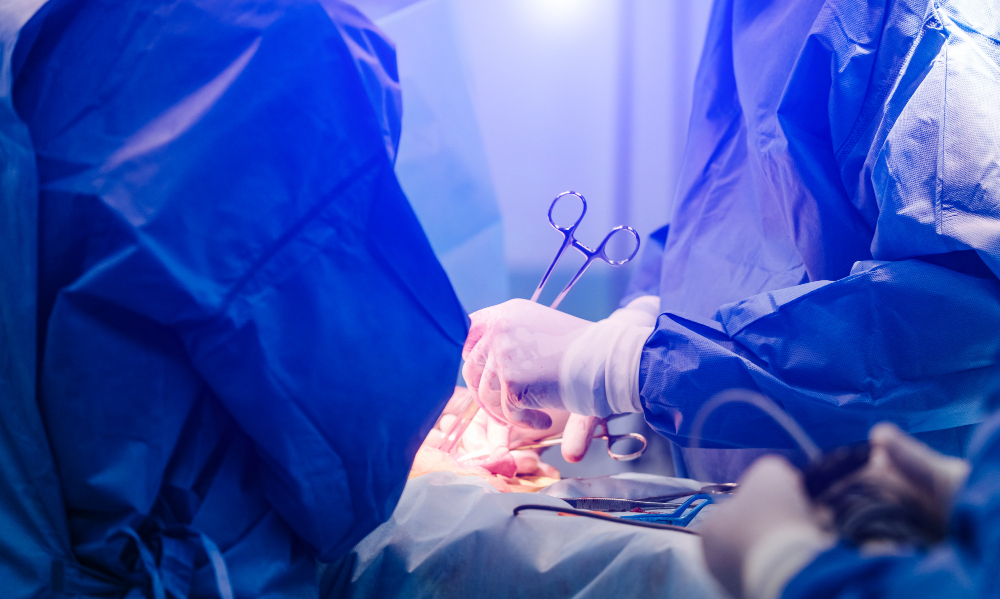
Knee preservation surgeries, like high tibial osteotomy, help protect your knee joint. These procedures aim to delay or avoid total knee replacement. High tibial osteotomy is a common knee preservation surgery. It can relieve pain and improve movement. Many people choose this option to stay active and keep their natural knee for longer. If you have knee pain, learning about these surgeries can help you make informed choices. Knee preservation surgery may be right for you if you want to avoid or delay knee replacement.
What Are Knee Preservation Surgeries?
Knee preservation surgeries are treatments that help save your natural knee joint. Instead of replacing the whole knee, doctors try to fix or support the damaged parts. The main goal is to reduce pain and keep your knee working well. These surgeries are often used for younger or active people who want to stay mobile.
Common types of knee preservation surgeries include:
Among these, high tibial osteotomy is a popular choice for people with knee arthritis on one side of the knee.
What Is High Tibial Osteotomy?
High tibial osteotomy is a surgery that changes the shape of your upper shin bone. By doing this, doctors shift your body weight away from the damaged part of your knee. This helps reduce pain and slow down arthritis. The procedure is often used for people with knee pain on the inner side of the knee. It is a knee preservation surgery that can help you stay active for years.
People who may benefit from high tibial osteotomy include:
Symptoms and Causes Leading to High Tibial Osteotomy
Some symptoms and causes may lead your doctor to suggest high tibial osteotomy. For example, you may notice:
Common causes include:
When these problems affect your daily life, knee preservation surgery may help.
Diagnosis and Candidacy
Doctors use several steps to diagnose knee problems and see if high tibial osteotomy is right for you. First, they ask about your symptoms and check your knee. Next, they may order X-rays or MRI scans. These images show the damage and help plan the surgery.
To decide if you are a good candidate, doctors look for:
If you meet these points, high tibial osteotomy may be a good option.
The High Tibial Osteotomy Procedure
The high tibial osteotomy procedure has several steps. Here is what usually happens:
This surgery helps shift your weight away from the damaged knee area.
Recovery and Rehabilitation
After high tibial osteotomy, recovery takes time. At first, you may need crutches or a walker. Most people stay in the hospital for a day or two. Physical therapy starts soon after surgery. It helps you regain strength and movement.
For a smooth recovery, try these tips:
Most people return to normal activities in three to six months. However, everyone heals at their own pace.
Benefits and Risks
High tibial osteotomy offers many benefits, but there are also some risks. Here are the key points:
Possible risks or complications include:
Most people recover well, especially with good care and follow-up.
Prevention and Lifestyle Guidance
While not all knee problems can be prevented, you can protect your knee health. Consider these tips:
These steps may help delay or avoid the need for knee surgery alternatives.
Frequently Asked Questions
How long does high tibial osteotomy recovery take?
Most people recover in three to six months. However, full healing can take up to a year.
Is high tibial osteotomy painful?
Some pain is normal after surgery. Your doctor will give you medicine and therapy to help manage it.
Can high tibial osteotomy prevent knee replacement?
Yes, it can delay or avoid knee replacement for many years, especially if done early.
Are there alternatives to high tibial osteotomy?
Yes, other knee preservation surgeries and non-surgical treatments may help. Your doctor can discuss the best options for you.
Conclusion
Knee preservation surgeries, like high tibial osteotomy, offer hope for people with knee pain. These procedures can reduce pain, improve movement, and delay knee replacement. If you have knee problems, talk to your doctor about your options. Consult an orthopedic specialist for personalized advice on knee preservation and high tibial osteotomy.
Sources: Centers for Disease Control and Prevention (CDC), World Health Organization (WHO), peer-reviewed medical journals.