
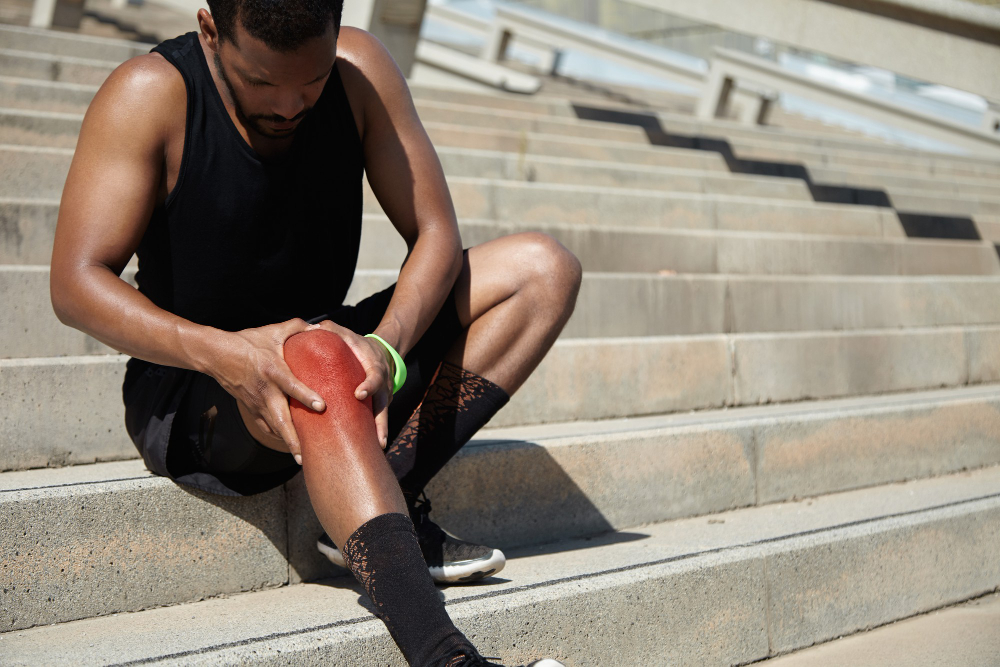
What Is Patella Dislocation?
Patella dislocation happens when your kneecap moves out of its normal place. Usually, the kneecap slides to the outside of the knee. For many people, patella dislocation relief is a top concern after an injury. This condition can cause pain, swelling, and trouble moving your knee. Although it can happen to anyone, it is more common in young athletes and active people.
Common Symptoms of Patella Dislocation
After a patella dislocation, you may notice several signs. For example, you might feel sudden pain in your knee. Other symptoms can include:
Sometimes, the kneecap moves back on its own. However, pain and swelling may still remain.
Causes and Risk Factors
Patella dislocation often happens during sports or sudden movements. For instance, a direct blow to the knee or a quick twist can cause it. Some common causes and risk factors include:
In addition, people with shallow grooves in their thigh bone may be at higher risk.
How Patella Dislocation Is Diagnosed
Doctors use several steps to diagnose a patella dislocation. First, they will ask about your injury and symptoms. Next, they will examine your knee for swelling, tenderness, and movement. Often, an X-ray or MRI is needed to check for broken bones or damage to tissues. These tests help doctors plan the best patella dislocation relief and treatment.
Effective Treatment Options for Patella Dislocation
There are many ways to treat a dislocated kneecap. The right choice depends on your age, activity level, and injury type. Common treatment options include:
According to the American Academy of Orthopaedic Surgeons, most people recover well with non-surgical care.
Home Care and Lifestyle Tips
After a patella dislocation, home care can speed up recovery. For example, you can:
However, avoid putting too much weight on your knee until your doctor says it is safe.
Prevention Strategies
While not all patella dislocations can be prevented, some steps can lower your risk. For instance, you can:
Additionally, regular stretching can help keep your joints flexible and strong.
When to See an Orthopedic Specialist
Sometimes, patella dislocation needs expert care. You should see an orthopedic specialist if:
Early treatment can help prevent long-term problems and speed up patella dislocation relief.
For the best results, consult an orthopedic specialist for personalized guidance on patella dislocation relief.