
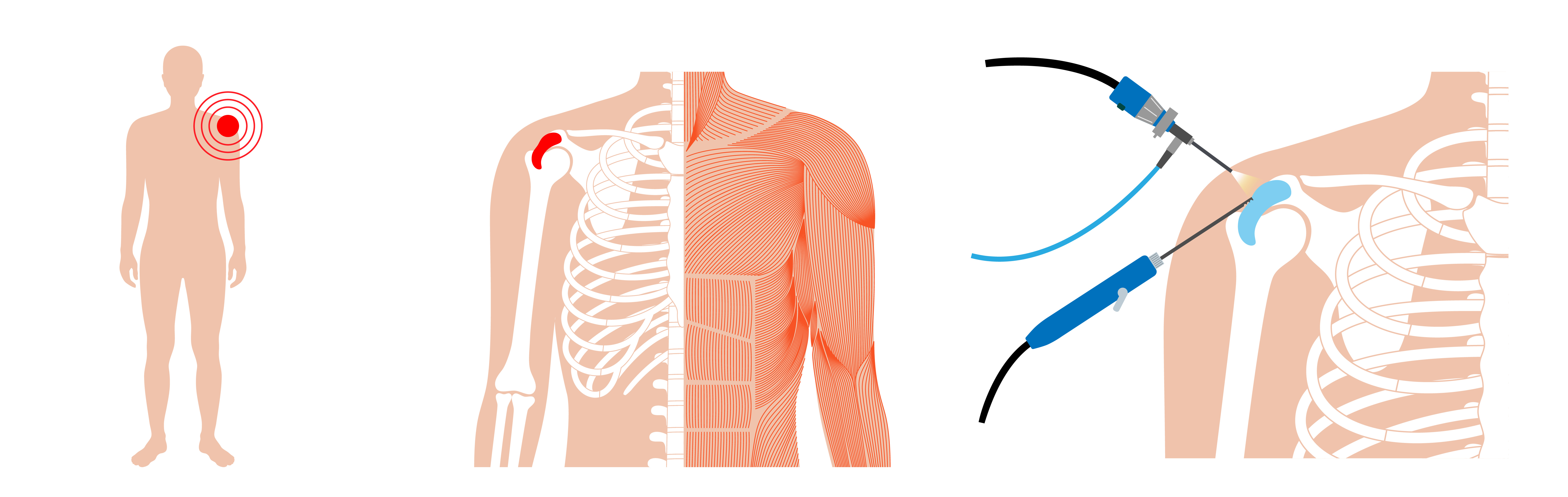
What is Shoulder Arthroscopy?
Shoulder arthroscopy is a type of minimally invasive shoulder surgery. Doctors use a small camera, called an arthroscope, to look inside your shoulder. Because the cuts are tiny, healing is often quicker than with open surgery. Many people choose this option for shoulder pain treatment. In most cases, you can go home the same day. According to the American Academy of Orthopaedic Surgeons, this method is safe and effective for many shoulder problems.
Common Reasons for Shoulder Arthroscopy
Doctors may suggest shoulder arthroscopy for several reasons. For example, it helps treat:
Sometimes, doctors use this surgery to find out what is causing pain if other tests do not give clear answers.
Symptoms Leading to the Procedure
Many people wonder when shoulder arthroscopy is needed. Usually, you may notice:
However, not all shoulder pain needs surgery. Often, doctors try other treatments first, like physical therapy or medicine.
How the Procedure is Performed
During shoulder arthroscopy, you will get anesthesia to keep you comfortable. Next, the surgeon makes small cuts around your shoulder. Then, they insert the arthroscope to see inside the joint. Special tools are used to fix or remove damaged tissue. Because the cuts are small, there is less bleeding and scarring. Most surgeries take one to two hours. Afterward, you rest in a recovery area before going home.
Benefits of Shoulder Arthroscopy
Shoulder arthroscopy offers many benefits compared to open surgery. For instance:
Because it is minimally invasive, many people prefer this method for shoulder pain treatment.
Recovery Process and Timeline
After shoulder arthroscopy, recovery time varies. Usually, you wear a sling for a few days or weeks. Physical therapy often starts soon after surgery. Most people return to light activities within a week or two. However, full recovery can take several months, especially after a major repair. For example, a torn rotator cuff may need three to six months to heal. Always follow your doctor’s advice for the best results.
Tips for a Smooth Recovery
To help your shoulder heal well, try these tips:
With the right care, most people enjoy a strong and pain-free shoulder after recovery.
Prevention and Lifestyle Guidance
Even after shoulder arthroscopy, you can take steps to protect your shoulder. For example:
Because shoulder injuries can happen again, staying active and careful is important. If you notice new pain, contact your doctor right away.
In summary, shoulder arthroscopy is a safe and effective way to treat many shoulder problems. For more information or personalized advice on shoulder arthroscopy, consult an orthopedic specialist.