
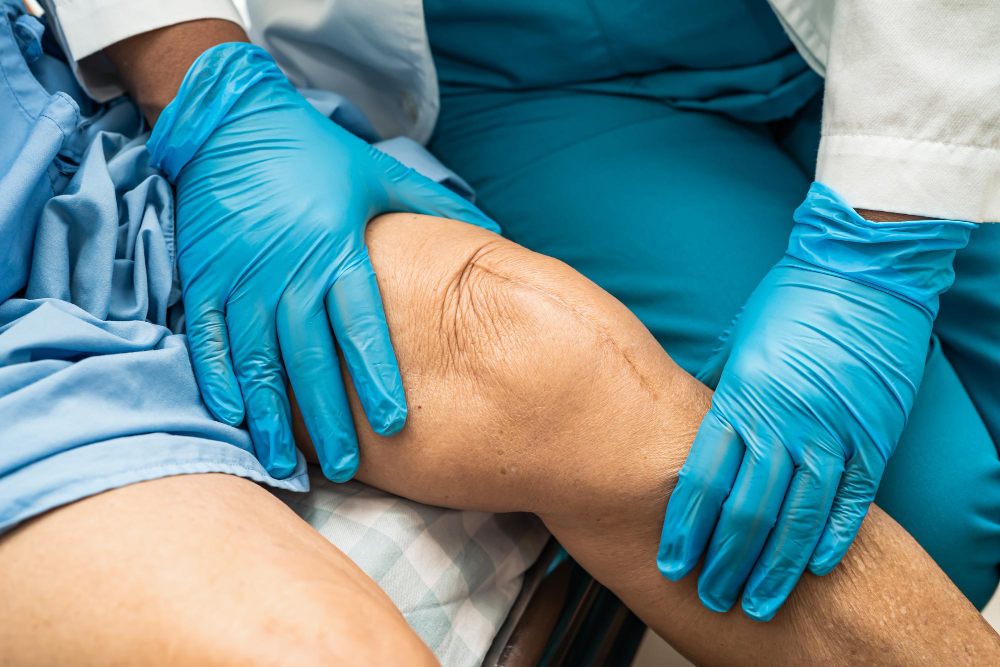
Introduction to Knee Replacement
Knee replacement is a common surgery for people with severe knee pain. Many people wonder if they need knee replacement and what happens after the procedure. This surgery helps people move better and live with less pain. Doctors often suggest it when other treatments do not work. In this blog, you will learn who really needs knee replacement and what to expect after surgery.
Who Really Needs Knee Replacement?
Not everyone with knee pain needs knee replacement. Usually, doctors suggest this surgery for people who:
For example, if pain keeps you from sleeping or working, surgery may help. However, doctors check your health and age before deciding. Sometimes, people with other health problems may not be good candidates.
Symptoms and Diagnosis Leading to Surgery
Many people feel pain, swelling, or stiffness in their knees. Over time, these symptoms may get worse. For instance, you may notice:
Doctors use several steps to diagnose the problem. First, they ask about your symptoms and medical history. Next, they check your knee during a physical exam. Then, they may order X-rays or MRI scans to see the damage. If other treatments have failed, knee replacement surgery may be the next step.
What to Expect During the Procedure
Knee replacement surgery is usually planned ahead. Before surgery, doctors explain the process and answer your questions. On the day of surgery, you will receive anesthesia to keep you comfortable. The surgeon removes the damaged parts of your knee and replaces them with artificial parts. These new parts are made of metal and plastic. Most surgeries take one to two hours. After surgery, you will stay in the hospital for a few days. Nurses and doctors will watch you closely to make sure you are safe.
Recovery and Rehabilitation After Knee Replacement
Recovery after knee replacement takes time. At first, you may need help walking or moving. Physical therapy starts soon after surgery. Therapists teach you gentle exercises to help your knee heal. Most people can walk with a walker or crutches within a few days. Over the next weeks, you will gain strength and move more easily. Usually, people return to normal activities in six to twelve weeks. However, full recovery may take up to six months. During this time, it is important to follow your doctor’s advice and do your exercises every day.
Lifestyle Tips and Prevention of Further Knee Issues
After knee replacement, you can take steps to protect your new knee. For example:
In addition, regular check-ups with your doctor can help catch problems early. By taking care of your knee, you can enjoy better movement and less pain for many years.
Frequently Asked Questions
Conclusion and Call-to-Action
Knee replacement can help people with severe knee pain live better lives. However, it is not for everyone. If you have knee pain that does not improve with other treatments, talk to your doctor. They can help you decide if knee replacement is right for you. For the best results, follow your doctor’s advice and stay active. Consult an orthopedic specialist to discuss if knee replacement is right for you.