
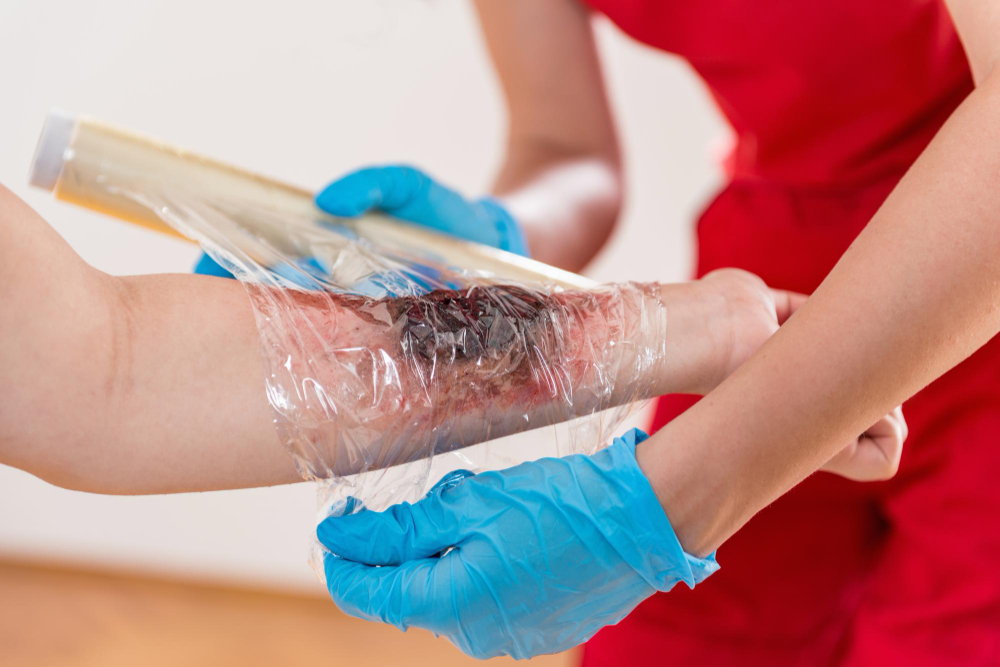
What Is Skin Grafting?
Skin grafting is a surgery that moves healthy skin from one area of the body to another. Doctors use this method to help cover burns and difficult wounds. Sometimes, wounds are too large or deep to heal on their own. In these cases, skin grafting offers a way to protect the area and help it heal faster. According to the World Health Organization (WHO), skin grafting is a common wound coverage technique used worldwide.
When Is Skin Grafting Needed?
Often, doctors suggest skin grafting when a wound cannot heal with simple care. For example, burns that remove large areas of skin may need a graft. Additionally, wounds from accidents, infections, or surgery might also require this treatment. Skin grafting for burns is especially important when the burn is deep or covers a large area. In some cases, people with ulcers or sores that do not heal may benefit from a skin graft.
Types of Skin Grafts
There are different types of skin grafts, and each type has a special use. First, doctors may use a split-thickness skin graft. This type takes the top layers of skin. Second, a full-thickness skin graft uses all the skin layers. Sometimes, doctors use skin from another person or even an animal, but this is less common. According to the CDC, the choice depends on the wound and the person’s health.
How Skin Grafting Works for Burns and Difficult Wounds
Skin grafting for burns and hard-to-heal wounds helps protect the area and speed up healing. When a wound is covered, it is less likely to get infected. Also, a graft helps keep body fluids in and reduces pain. For burns, skin grafting can lower the risk of scars and improve movement in the affected area. In many cases, this technique helps people recover faster and return to daily life sooner.
The Skin Grafting Procedure: Step by Step
Doctors follow careful steps during a skin grafting procedure. First, they clean the wound and remove any dead tissue. Next, they take healthy skin from another part of the body, called the donor site. Then, they place the skin over the wound and secure it with stitches or special dressings. After that, both the wound and donor site are covered and kept clean. The entire process may take one to two hours, depending on the wound size.
Recovery and Aftercare
After skin grafting, recovery is very important. For the first few days, you may need to rest and keep the area still. Doctors will check the graft often to make sure it is healing well. During recovery, you may notice some pain, swelling, or redness. However, these signs usually improve with time. Skin graft recovery can take several weeks, depending on the wound and the type of graft used. The Centers for Disease Control and Prevention (CDC) recommends following your doctor’s advice closely during this time.
Risks and Possible Complications
Although skin grafting is safe, there are some risks. Sometimes, the graft may not take, which means it does not attach well to the wound. Infections can also happen, especially if the area is not kept clean. In rare cases, the donor site may heal slowly or leave a scar. According to medical journals, most people heal well with proper care. Still, it is important to know the possible problems.
Tips for Better Healing After Skin Grafting
To help your skin graft heal well, you can follow some simple tips. First, always follow your doctor’s instructions. Next, eat healthy foods to support healing. Also, keep the graft area clean and dry. If you notice any problems, contact your healthcare provider right away. For example, if you see redness, swelling, or pus, let your doctor know. Finally, avoid smoking, as it can slow down healing.