
Introduction
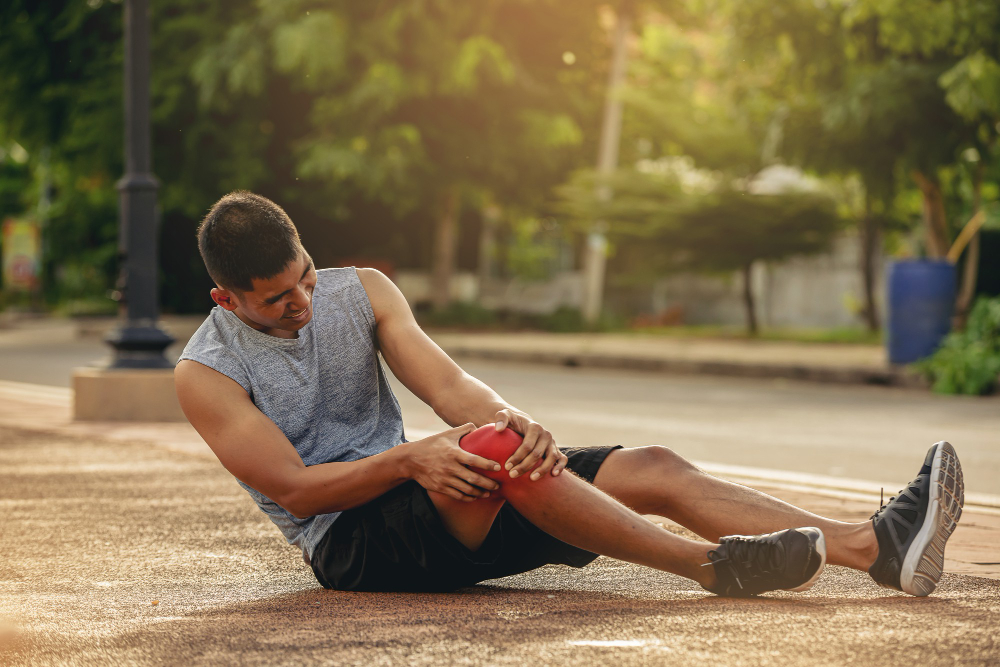
Sports injuries are injuries that happen during exercise or while playing sports. For many people, staying active is important. However, knowing about common sports injuries and how to recover safely can help you stay healthy. Even simple steps can lower your risk of getting hurt. Understanding these injuries helps you return to your favorite activities sooner and with less worry.
Common Types of Sports Injuries
Many people experience athletic injuries while being active. Below are some of the most frequent sports injuries:
Symptoms of Sports Injuries
Recognizing symptoms early can help you get the right care. For example, sprains often cause pain, swelling, and bruising around a joint. Strains may lead to muscle pain, weakness, or spasms. Fractures usually cause sharp pain, swelling, and trouble moving the area. Dislocations can make a joint look out of place and feel very painful. Tendonitis often brings aching pain and swelling near a joint, especially after activity. Concussions may cause headache, dizziness, confusion, or nausea. If you notice any of these symptoms, it is wise to rest and seek help if needed.
Causes and Risk Factors
Sports injuries can happen for many reasons. Often, they occur from falls, direct blows, or sudden movements. Overuse is a common cause, especially in activities that repeat the same motion. For instance, running long distances without rest can lead to muscle injuries. Poor technique or using the wrong equipment can also raise your risk. In addition, skipping warm-ups or stretching before exercise makes injuries more likely. Young athletes, older adults, and people who return to sports after a break may face higher risks.
Diagnosis
Healthcare professionals use several ways to diagnose sports injuries. First, they will ask about your symptoms and how the injury happened. Next, a physical exam helps them check for pain, swelling, or changes in movement. Sometimes, doctors use imaging tests like X-rays, MRI, or ultrasound to see inside the body. These tests help find broken bones, torn muscles, or other problems. If pain is severe, or if you cannot move the injured area, seek medical help right away. Quick diagnosis can lead to better recovery.
Treatment and Recovery
Safe recovery is important for all athletic injuries. Many mild injuries can heal at home with simple steps. However, some may need medical care. Here are safe recovery steps:
Prevention Tips
Preventing sports injuries is possible with a few simple habits. First, always warm up before exercise to prepare your muscles and joints. Next, use the right equipment, such as shoes and pads, for your sport. In addition, learn and use correct techniques for all activities. Take regular breaks to avoid overuse injuries. If you feel pain, stop and rest. Staying hydrated and eating well can also support muscle health. Finally, listen to your body and do not push through pain. These steps can help you enjoy sports safely and reduce your risk of injury.