
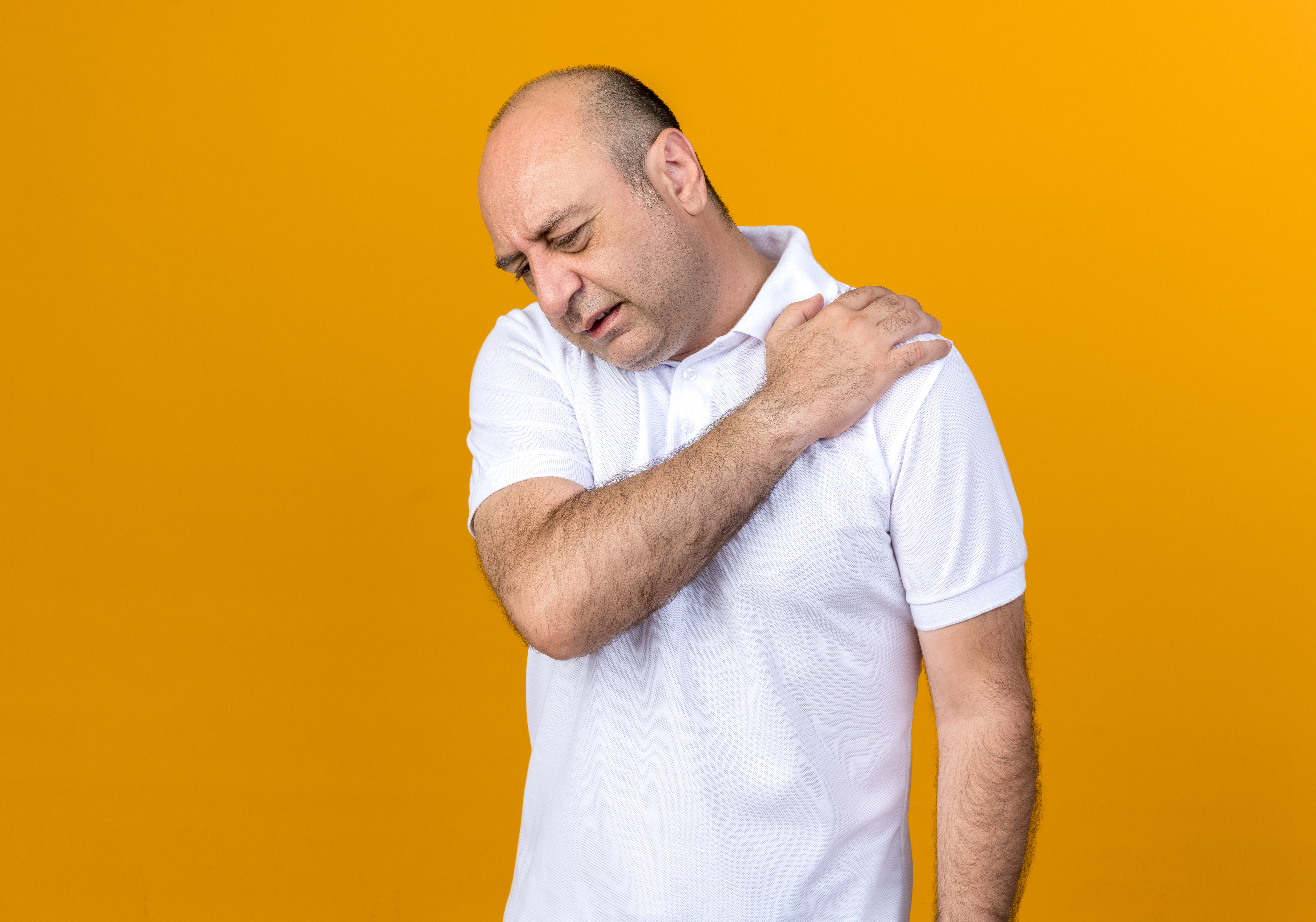
What Is a Rotator Cuff Injury?
Rotator cuff injuries are a common cause of shoulder pain. The rotator cuff is a group of muscles and tendons. These help you lift and move your arm. When these muscles or tendons get hurt, you may feel pain or weakness in your shoulder. Sometimes, the injury is mild. Other times, it can be a serious tear. Many people experience rotator cuff injuries from sports, work, or aging.
Common Symptoms of Rotator Cuff Injuries
Recognizing the symptoms early can help you get the right treatment. Often, people notice pain in the shoulder. However, other signs may appear as well. Look for these symptoms:
Sometimes, the pain starts suddenly. In other cases, it builds up over time. If you notice these signs, you may have a rotator cuff injury.
Main Causes and Risk Factors
Rotator cuff injuries can happen for many reasons. For example, a sudden fall or lifting something heavy may cause a tear. On the other hand, repeated shoulder movements can also lead to injury. Here are some common causes and risk factors:
Because these injuries are common, it is important to know your risk. If you are active or over 40, you may be more likely to have a rotator cuff tear.
Diagnosis Methods
Doctors use several ways to diagnose rotator cuff injuries. First, they ask about your symptoms and medical history. Next, they check your shoulder’s strength and movement. Sometimes, they may order tests to see the injury more clearly. These tests include:
With these tools, your doctor can find out if you have a rotator cuff tear or another shoulder injury.
Treatment Options for Rotator Cuff Injuries
Treatment depends on how serious the injury is. For many people, non-surgical care works well. However, some may need surgery. Let’s look at both options.
Non-Surgical Treatments
Most people feel better with these steps. According to the CDC, many rotator cuff injuries heal without surgery.
Surgical Treatments
If pain or weakness does not improve, surgery may be needed. Surgeons can repair torn tendons or remove damaged tissue. Usually, surgery is done with small cuts and a camera (arthroscopy). After surgery, physical therapy helps restore movement and strength.
Recovery and Rehabilitation Tips
Recovery from a rotator cuff injury takes time. Even so, following your doctor’s advice can speed up healing. Here are some helpful tips:
Remember, everyone heals at a different pace. For some, full recovery may take several months. Rotator cuff tear recovery is often better with patience and regular care.
Prevention Strategies
While not all injuries can be prevented, you can lower your risk. Try these prevention tips:
By following these steps, you can help protect your shoulders and avoid future injuries.
Conclusion
Rotator cuff injuries are a leading cause of shoulder pain. Early treatment and proper care can help you recover well. If you have ongoing pain or weakness, consult an orthopedic specialist for personalized advice on rotator cuff injuries.