
Introduction
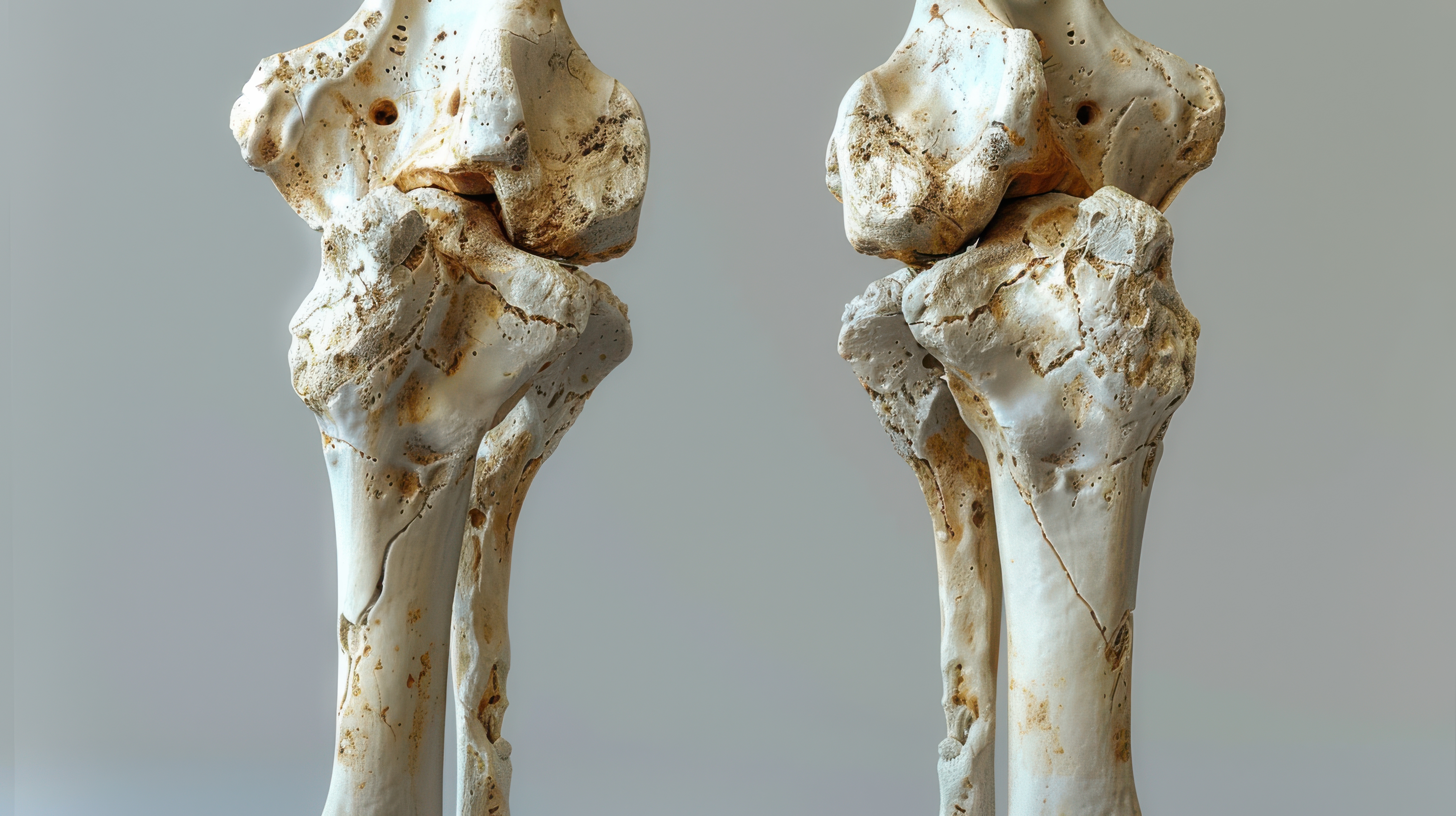
Many people confuse osteoporosis and osteoarthritis. However, these two conditions are different. Osteoporosis weakens bones, making them fragile. Osteoarthritis, on the other hand, affects the joints and causes pain. Both are common, especially as people age. Understanding the difference between osteoporosis and osteoarthritis is important for bone health. Early detection and treatment can help you stay active and healthy. According to the World Health Organization (WHO), millions of people worldwide live with these conditions.
Key Differences Between Osteoporosis and Osteoarthritis
Although both affect the bones and joints, they have different causes and risk factors. Let’s look at the main differences:
As you can see, the difference between osteoporosis and osteoarthritis lies in their causes and the tissues they affect.
Symptoms
Osteoporosis Symptoms
Osteoporosis is often called a “silent disease.” Usually, there are no symptoms until a bone breaks. However, some signs may include:
Because symptoms are subtle, regular bone health checks are important, especially for older adults.
Osteoarthritis Symptoms
Osteoarthritis symptoms usually develop slowly. They may include:
Unlike osteoporosis, osteoarthritis mainly affects the joints, not the bones themselves.
Diagnosis
Doctors use different tests to diagnose osteoporosis and osteoarthritis. For osteoporosis, a bone density test (DEXA scan) is common. This test measures how strong your bones are. Blood tests may also check calcium and vitamin D levels.
For osteoarthritis, doctors often use X-rays to look for joint damage. Sometimes, they may use MRI scans for a clearer picture. Physical exams and questions about symptoms also help with diagnosis. Early diagnosis can lead to better treatment outcomes.
Treatment Options
Osteoporosis Treatment
Treatment for osteoporosis aims to strengthen bones and prevent fractures. Common options include:
Doctors may also suggest fall prevention tips to lower the risk of fractures.
Osteoarthritis Treatment
Osteoarthritis treatment focuses on reducing pain and improving joint movement. Options include:
Early treatment can help manage symptoms and slow joint damage.
Prevention and Lifestyle Tips
While you cannot always prevent these conditions, healthy habits can lower your risk. Here are some bone health tips:
By following these tips, you can support your bone and joint health. The Centers for Disease Control and Prevention (CDC) also recommends staying active and eating well for healthy bones and joints.
Conclusion
In summary, osteoporosis and osteoarthritis are different conditions. Osteoporosis weakens bones, while osteoarthritis damages joints. Both can affect your quality of life, but early diagnosis and treatment help. If you notice symptoms or have risk factors, consult an orthopedic specialist for personalized advice on osteoporosis or osteoarthritis.