
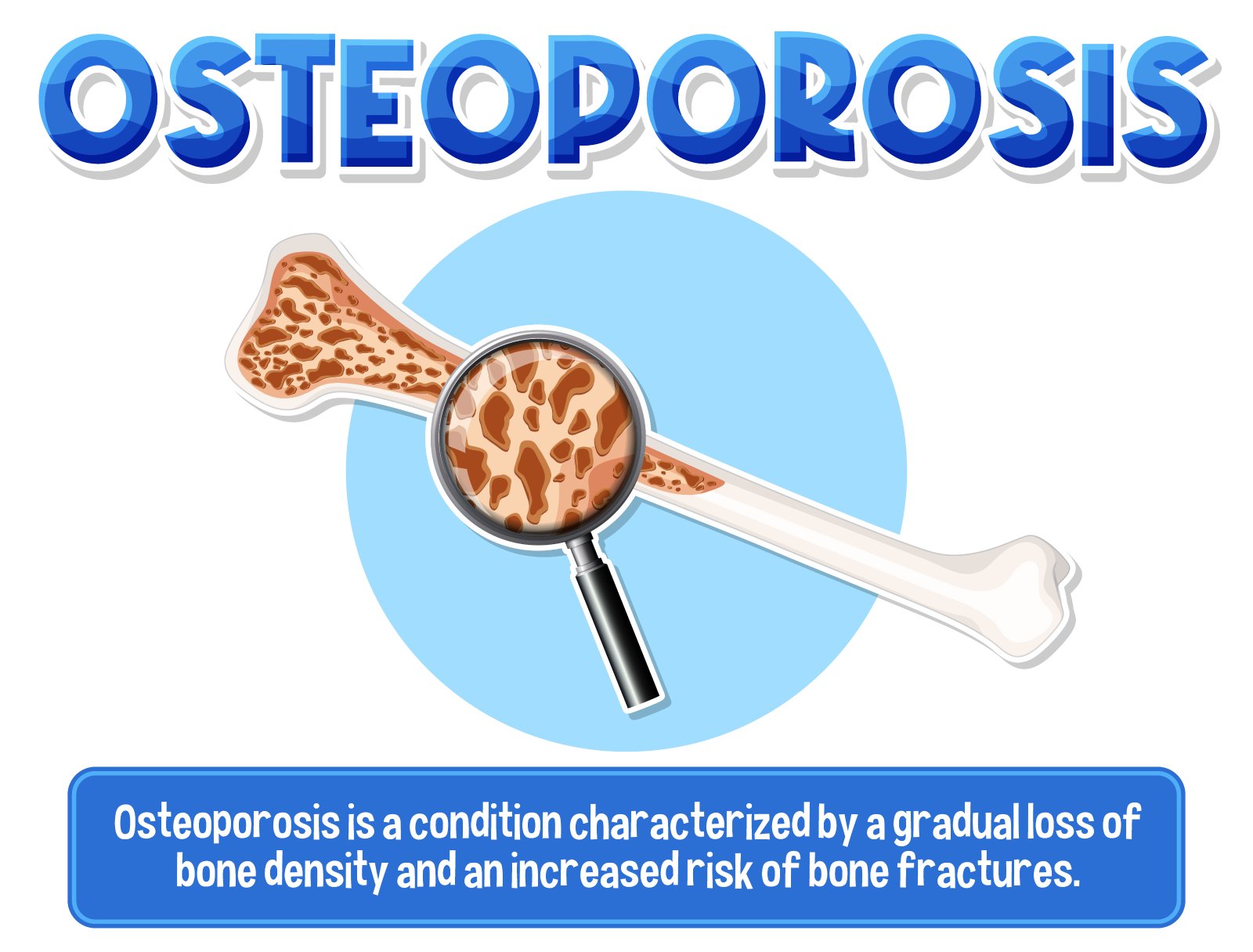
What Is Osteoporosis?
Osteoporosis is a condition that weakens bones, making them fragile and more likely to break. In fact, it often develops slowly over many years. Many people do not notice symptoms until a bone breaks. Because bone loss happens quietly, it is important to know about osteoporosis and how to protect your bone health. According to the World Health Organization (WHO), osteoporosis is a major public health concern, especially for older adults.
Common Symptoms of Osteoporosis
Often, osteoporosis shows no clear signs in the early stages. However, as the disease progresses, some symptoms may appear. For example, you might notice:
Because these symptoms can be subtle, it is important to pay attention to any changes in your body.
Causes and Risk Factors
Osteoporosis can affect anyone, but some people are at higher risk. Several factors can increase your chances of developing osteoporosis. For instance, these include:
Because some risk factors cannot be changed, it is important to focus on what you can control.
How Osteoporosis Is Diagnosed
Doctors use several methods to diagnose osteoporosis. Most often, they use a bone density test called a DEXA scan. This test measures how strong your bones are. In addition, your doctor may ask about your medical history and do a physical exam. Blood tests can also help rule out other causes of bone loss. Early diagnosis is key, as it can help prevent serious fractures.
Treatment Options for Osteoporosis
There are many osteoporosis treatment options available today. Your doctor will choose the best plan based on your needs. Common treatments include:
Sometimes, your doctor may suggest physical therapy to improve balance and prevent falls. According to the Centers for Disease Control and Prevention (CDC), these steps can help lower your risk of fractures.
Lifestyle Tips for Stronger Bones
Even small changes can make a big difference in your bone health. For example, you can:
Because strong bones support your whole body, these habits are important at any age.
Preventing Osteoporosis: What You Can Do
Prevention is always better than cure. You can lower your risk of osteoporosis by:
Because bone loss can start early, it is never too soon to take care of your bones. For more information, you can visit trusted sources like the CDC or WHO.
When to See an Orthopedic Specialist
If you notice any signs of osteoporosis, such as frequent fractures or back pain, you should see a doctor. In addition, if you have risk factors or a family history of osteoporosis, it is wise to get checked. An orthopedic specialist can help you understand your bone health and suggest the best treatment options. Early action can help prevent serious problems later.
Osteoporosis may not show symptoms early, but timely diagnosis and proper treatment can help preserve bone strength and prevent fractures. Prioritizing bone health today can improve your mobility and quality of life for years to come.
Take charge of your bone health with expert guidance from Dr. Vamshi Krishna, Orthopedic Specialist. Schedule your consultation today.