
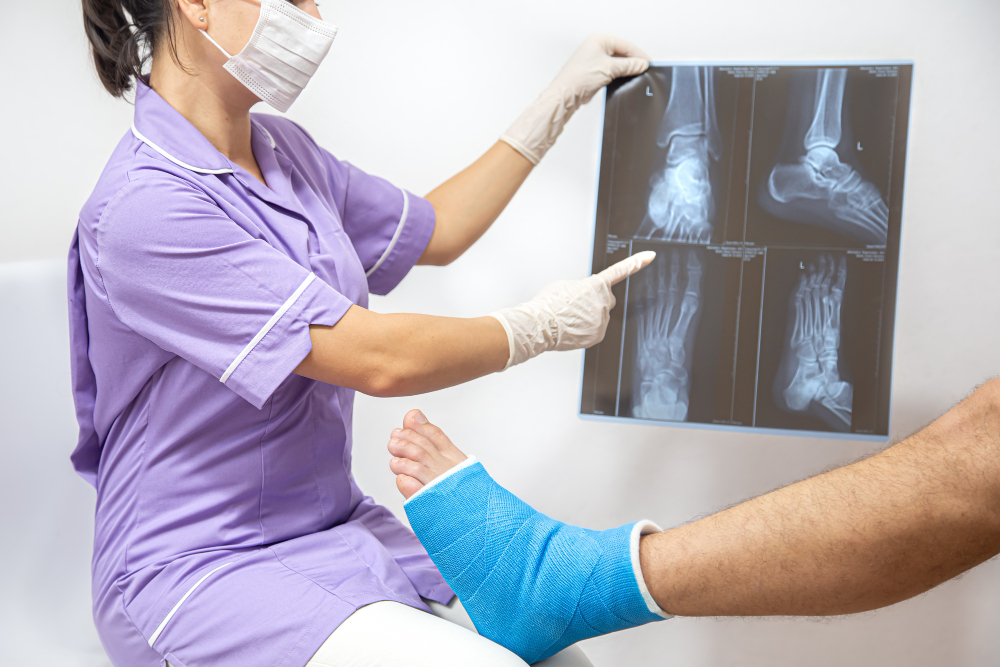
What Are Bone Fractures?
Bone fractures are breaks or cracks in a bone. They can happen to anyone, at any age. Often, bone fractures occur after a fall or accident. Sometimes, they happen because bones are weak from disease. When a bone breaks, it loses its normal shape. As a result, pain and swelling may follow quickly. Bone fractures need proper care to heal well. Understanding the basics can help you know what to expect.
Common Types of Bone Fractures
There are several types of bone fractures. Each type can affect healing and treatment. For example, some breaks are simple, while others are more complex. Here are the most common types of bone fractures:
Knowing the type of bone fracture helps doctors choose the best treatment.
Causes and Risk Factors
Bone fractures can happen for many reasons. Sometimes, a strong force causes the bone to break. Other times, bones are weak and break more easily. Here are common causes and risk factors:
In addition, some people are at higher risk. For example, older adults, people with bone diseases, and those with poor nutrition may break bones more easily.
Recognizing Symptoms of Bone Fractures
Bone fractures often cause clear symptoms. However, sometimes the signs are mild. You should watch for these common symptoms:
If you notice these signs, seek medical help right away. Early treatment can help prevent problems.
Diagnosis: How Bone Fractures Are Identified
Doctors use several methods to diagnose bone fractures. First, they will ask about how the injury happened. Next, they will check the injured area. Often, doctors order tests to see the bone clearly. These tests may include:
With these tools, doctors can find the type and location of the bone fracture. This helps them choose the right treatment plan.
Treatment Options for Bone Fractures
Treatment for bone fractures depends on the type and location of the break. In many cases, bones can heal with simple care. However, some fractures need surgery. Here are common bone fracture treatment options:
Sometimes, doctors use a mix of these treatments. For example, a cast may follow surgery. Always follow your doctor’s advice for the best results.
The Healing Process: What to Expect
Bone healing takes time and care. Usually, most bone fractures heal in six to eight weeks. However, healing time can vary. For example, children often heal faster than adults. Some bones, like the thigh bone, may take longer.
During healing, the body forms new bone tissue. At first, a soft callus forms around the break. Over time, this callus hardens. Finally, the bone regains its strength. Doctors may take new X-rays to check progress. If you wonder how long does a bone fracture take to heal, ask your doctor for details about your case.
Tips for Supporting Bone Healing and Recovery
There are steps you can take to help your bone heal. While your doctor will guide you, these bone fracture recovery tips may help:
With the right care, most people recover well from bone fractures.
Preventing Bone Fractures
Although not all bone fractures can be avoided, you can lower your risk. For instance, these steps may help prevent bone fractures:
By taking these steps, you can help protect your bones and reduce the chance of a fracture.